「重要なお知らせ:日本語書籍をご購入いただき、eLibraryをご利用の皆さまへ」
エルゼビアは、より快適にサービスをご利用いただくため、システムの重要なアップ
デートを実施いたしました。
現在eLibraryで日本語電子書籍をご利用のお客様は、今後より高いアクセシビリティとセ
キュリティを備えた新しいプラットフォーム「eBooks+」へアカウントが移行されてい
ます。eBooks+のご利用については
こちらよりご利用・ご登録ください。

 (0 rating)


Book Description
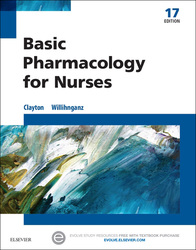
Known for its accurate, up-to-date drug content and its practical application of the nursing process to drugs and disorders, Clayton and Willihnganz’s Basic Pharmacology for Nurses, 17th Edition prepares you for safe medication administration. Emphasizing the nurse’s role, clear guidelines cover safe drug handling, types of drugs used for disorders or to affect body systems, injection and enteral administration, and patient education. From a respected PharmD/Nursing author team, this full-color text also provides an excellent review for the pharmacology questions on the NCLEX® examination.
- Current, accurate content ensures that the most current drugs and treatment protocols are presented.
- Application of the nursing process includes general principles of nursing care for each disorder, along with nursing considerations for drug treatment plans.
- An emphasis on safe drug handling and administration includes High Alert and Do Not Confuse icons as well as Medication Safety Alert boxes.
- A focus on patient education and health promotion equips you for health teaching related to medications.
- NCLEX® preparation sections at the end of each chapter helps you get ready for pharmacology-related questions on the NCLEX examination.
- A study guide corresponds to the textbook and offers review questions and clinical scenarios to reinforce your understanding of nursing pharmacology. Available separately.
- UPDATED drug coverage includes the most recent FDA approvals, withdrawals, and therapeutic uses.
- UPDTED guidelines cover injection and enteral medication administration, with an emphasis on safe medication practice.
- UPDATED treatment protocols include specific conditions such as asthma, hyperlipidemia, heart failure, COPD, and cancer.
- NEW! Objectives and key terms are listed at the beginning of each chapter, making it easy to see chapter content at a glance.